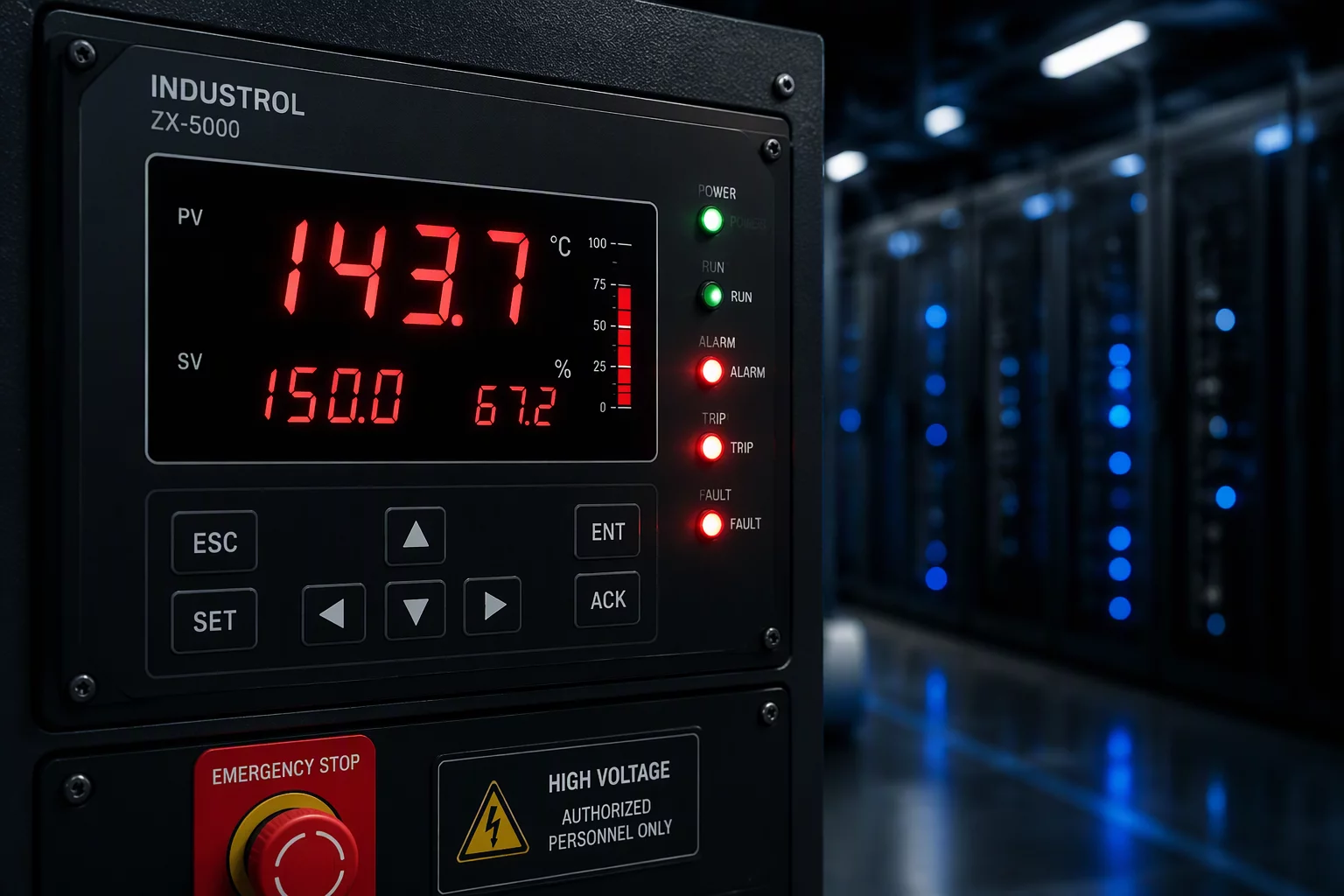
The Experiment Had Three Factors but No Clear Response
Screening trial where ambiguous sensor output obscured significant interaction terms across factor ranges.

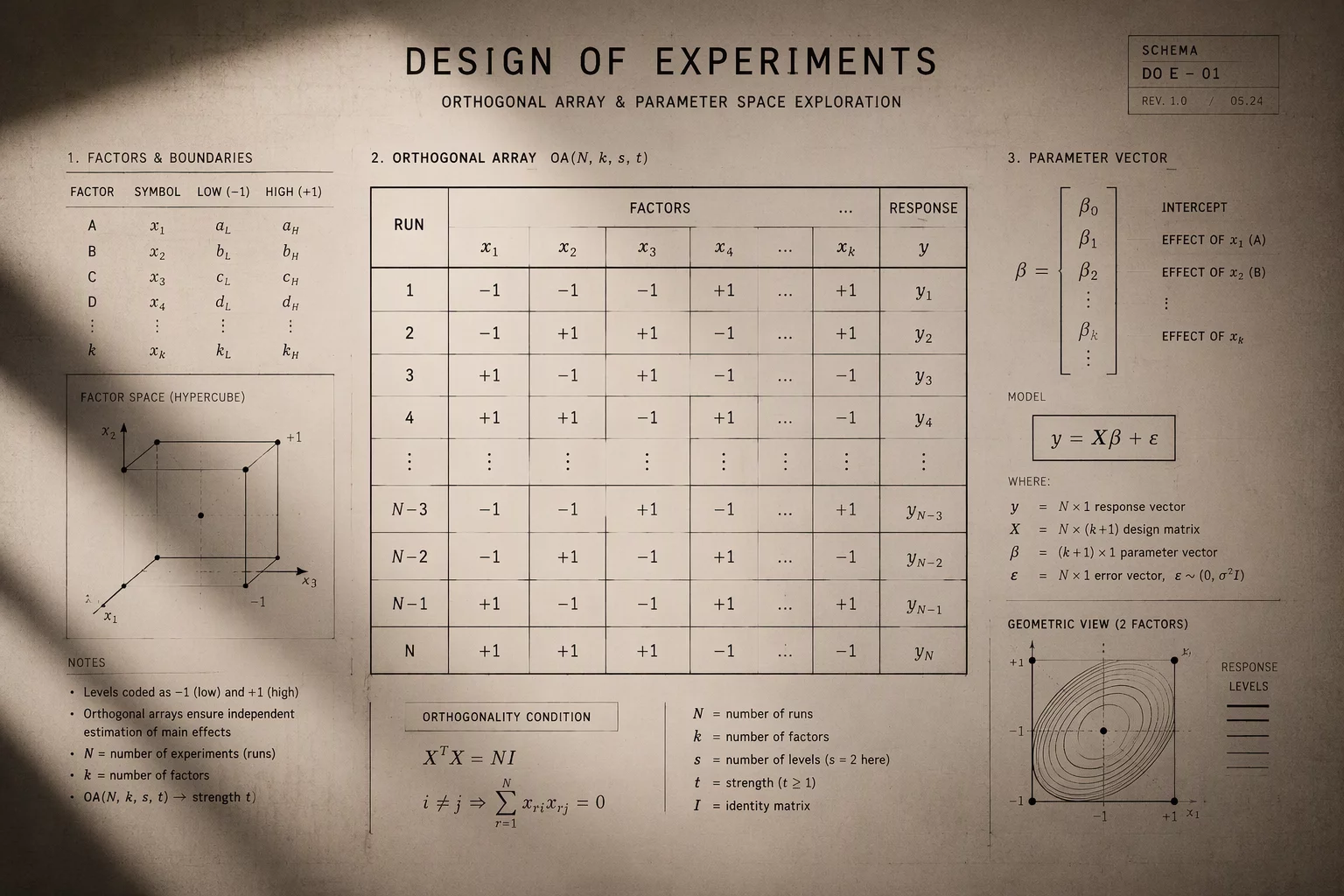
Explore cases about responses, factors, levels, interactions, held-constant conditions, and what each experimental run is meant to reveal.
Defining measurement error tolerances and factor resolution boundaries before commissioning pilot production batches.
Real-world post-mortems of factorial runs compromised by missing interaction boundaries, aliasing, and uncontrolled noise variables.
Screening trial where ambiguous sensor output obscured significant interaction terms across factor ranges.
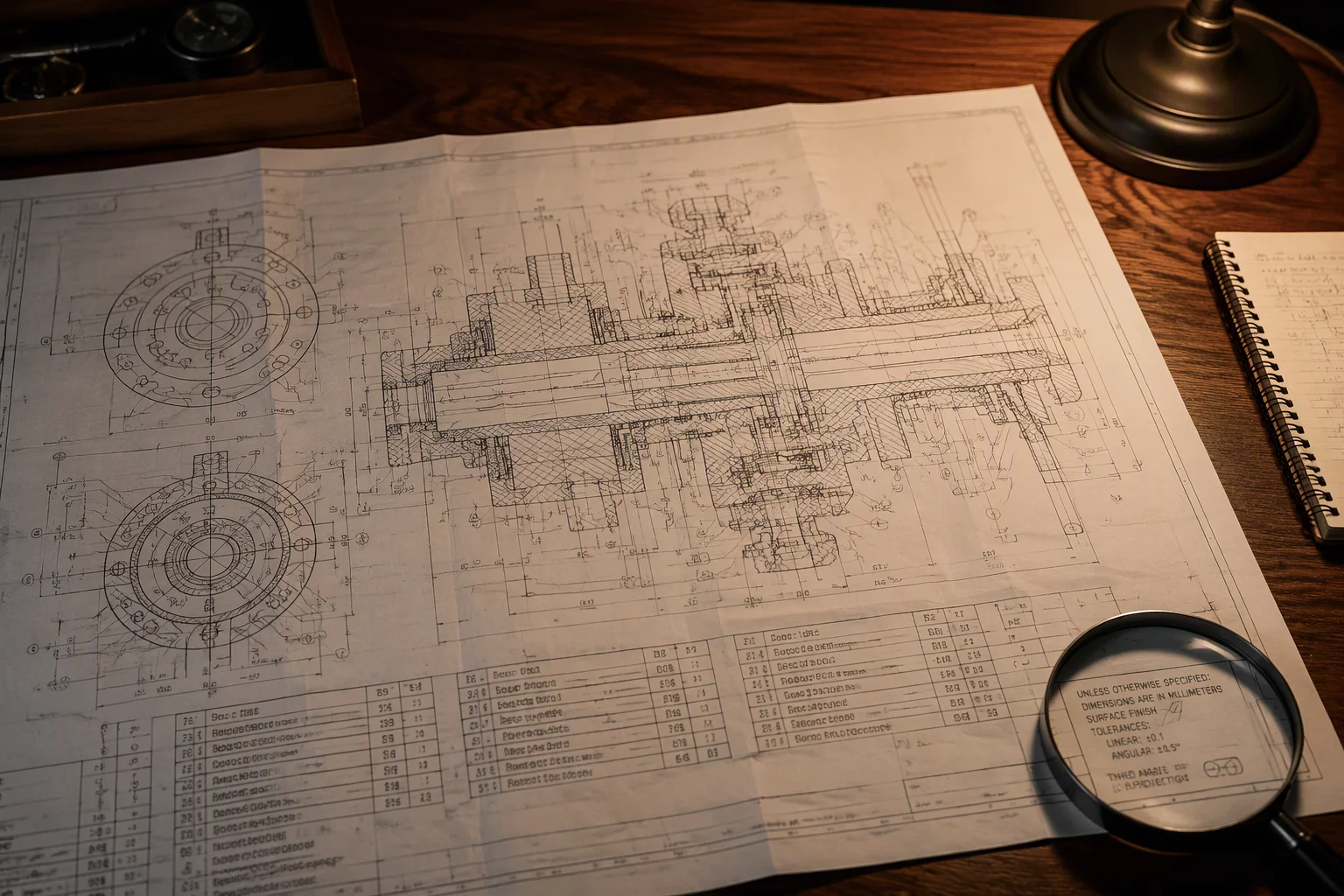
Severe confounding created by linked operating variables that violated standard fractional factorial orthogonality.
Oversized parameter intervals caused non-linear degradation and diverted analysis from real processing windows.
Uncontrolled thermal drift disguised as a fixed background parameter destroyed response surface fit accuracy.
When Factor A and Factor B interact, optimizing variables in isolation generates catastrophic process fouling.
Standard nominal setting. Cycle outcome is stable but suboptimal. Both inputs remain within conservative run tolerances.
Avoid costly uncoordinated adjustments. Configure factorial matrices in Minitab before initiating production validation.
Strategic expansion integrates dedicated design-of-experiments matrix engines into enterprise statistical planning packages.
Rigorous statistical experimental design requires disciplined parameter framing before runs are commissioned. Below are the precise operational horizons detailing how experimental boundaries, measurement repeatability, and model surfaces are systematically mapped—free from speculative outcome guarantees or unsubstantiated projections.
Engineering experiments are limited to measurable orthogonal factors. This roadmap documents how inputs, confounders, and measurement noise are audited in sequence without speculative performance promises.
Immediate technical intake isolates independent input variables from unmanageable environmental noise. During this first seven-day window, the team formulates strict hypothesis definitions and validates equipment control thresholds before any operational run begins.
Discuss factor boundaries, continuous vs. discrete inputs, and screening design strategies with our team before committing facility resources.
Use this pre-execution questionnaire to assess technical capability, gauge repeatability, and raw data governance whether engaging our team or an external laboratory.
Unprepared facilities run high-temperature factors sequentially to save turnaround time, which irrevocably aliases furnace drift with primary variable effects. Insist on a formal split-plot framework or authentic randomization.
If inspection instrument variation absorbs more than 10% to 20% of your tolerance spread, trial noise will mask moderate factor effects. Request calibration curves collected immediately prior to test initiation.
Averaged outputs often hide temporary sensor saturation, transient vibration spikes, or process stabilization lag. Mandate full millisecond telemetry and replicate readings to compute accurate pure-error terms.
Unaccounted technician transitions create artificial residual spikes. Contractors must record operator identifiers and lot identifiers as explicit blocking factors rather than treating them as uniform baseline states.
Corner point runs near design space boundaries carry disproportionate leverage over linear regression models. Never hire a facility that scraps specimens before residual leverage analyses are verified.
Direct escalation pathways for plant trial emergencies, factor formulation adjustments, and statistical model verification.
Guaranteed engineer response SLA for running line batch holds and factor constraint conflicts.
If an active multi-factor trial produces out-of-boundary measurements or equipment stalls mid-sequence, our lead DOE specialist reviews run sheets immediately to rebalance factor ranges without invalidating the statistical power.
Core analytical office hours run Monday through Friday from 07:00 to 19:00 UTC. For pre-notified pilot production runs, on-call engineering dispatch provides around-the-clock active trial support.
Post-engagement contract holders receive access to our direct telephone routing system, immediately ringing the active duty statistician without gatekeepers.
Transmit Minitab (.mtw), JMP (.jmp), or raw CSV output sheets directly to the dedicated technical support desk for prompt statistical reconciliation.